Moving to Shonan: Discover the Coastal Lifestyle from Tsujido and Kamakura to Zushi, Hayama & Miura

September 2025 Seasonal up date
Hayama, Zushi, and Kamakura are always among Japan’s most desirable places to live. And it’s easy to see why. Every time you drive along Route 134, with its beautiful coastal scenery and charming homes, the dream of living in Shonan grows a little stronger.
For weekend surfers, especially, I imagine many have quietly promised themselves, “Someday, I’m going to live in Shonan!”
I was one of those dreamers, too. My husband and I decided to leave Tokyo behind and rent a pet-friendly home in Shonan. Soon after, we welcomed an adorable retriever puppy into our family and began a new chapter of life by the sea. Looking back, I truly feel that moving here changed our lives in the most wonderful way.
If you’ve ever dreamed of making Shonan your home, this article is for you.
While this blog usually introduces lovely cafés, restaurants, and local shops, today I’d like to share something a little different—a personal look at what it’s really like to live in Shonan, and the little joys that make everyday life here so special.
In the area between JR Chigasaki and Fujisawa Stations, finding a home within a 15-minute walk of both the train station and the beach is surprisingly difficult.
For those planning to retire and move to Shonan, easy access to a train station may not be a major concern. But for those who are still working, I imagine finding a home within walking distance of a station while also being close to the beach is often a top priority.
From my own experience, here’s what I would recommend: If you commute to work and plan to rent, prioritize living close to a train station. As long as the beach is within easy cycling distance, you can still enjoy the coastal lifestyle. Alternatively, if a family member can reliably drive you to and from the station every day, living right by the beach could be a wonderful choice. Of course, this is simply my personal opinion, based on my own experience.
Let me share a little story about why I feel this way.
We once lived in a lovely neighborhood in Chigasaki, almost exactly halfway between the train station and the beach—about a 17-minute walk to either one. There were wonderful restaurants, cafés, and supermarkets nearby, making it a very convenient place to live.
Since our family traveled almost everywhere by car, the distance to the station never really bothered us. But for people commuting to work every day, that 17-minute walk could become surprisingly tiring. Many of our neighbors relied on family members to drive them to the station or took taxis instead.
In fact, I saw quite a few people eventually leave their jobs because the daily commute had become too exhausting.
Getting to the beach, on the other hand, was much easier. Surfers would simply attach their boards to bicycle racks and head down to the ocean. It took less than ten minutes, and with so many surf spots scattered along the coastline, they could easily continue cycling toward Tsujido in search of better waves when the surf was flat.
So, unless you live right on the beachfront, most surfers living along the JR railway line between Fujisawa and Chigasaki will probably end up using a bicycle or motorbike to reach the ocean anyway.
One lovely advantage of this area is that the land between the train stations and the coast is generally quite flat, making it easy and pleasant to get around by bicycle.
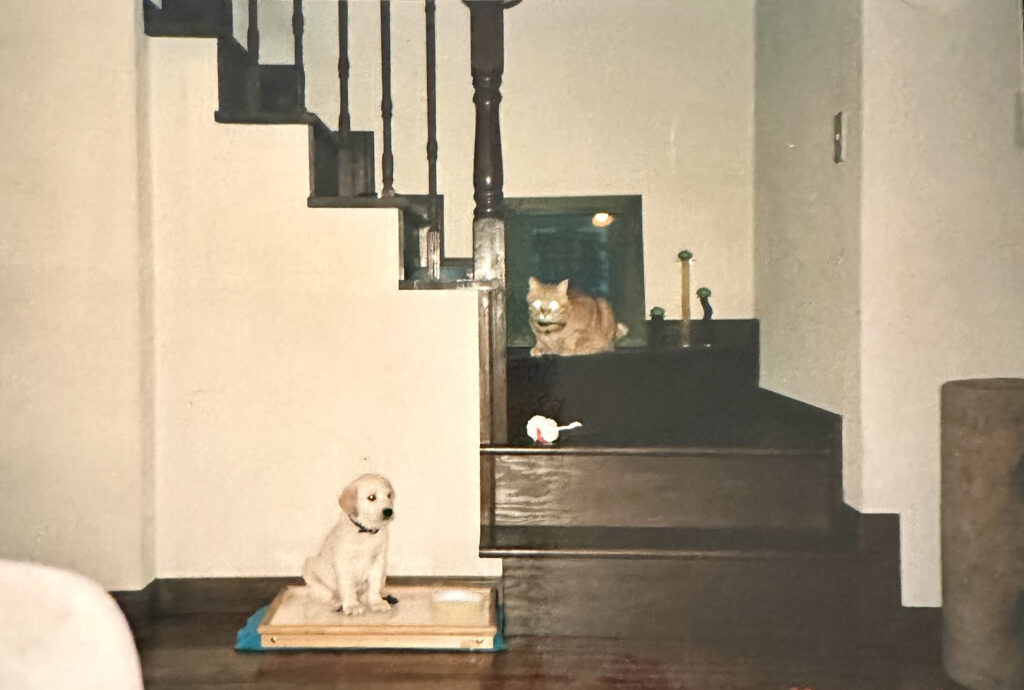
Compared with Tokyo, rents in Chigasaki and Tsujido seem much more affordable, especially if you look for a home a little farther from the train stations.
There are plenty of rental properties, and with many singles and couples living in the area, it’s relatively easy to make new friends and feel part of the community. It’s a lovely, welcoming place to settle into a relaxed coastal lifestyle.
At the beach, local surfers help look after their community and maintain the unwritten rules of the surf. If someone breaks those rules, the locals may gently—or sometimes firmly—step in. But when you treat them with respect and a friendly attitude, they can be wonderfully welcoming, often sharing waves and offering helpful advice.
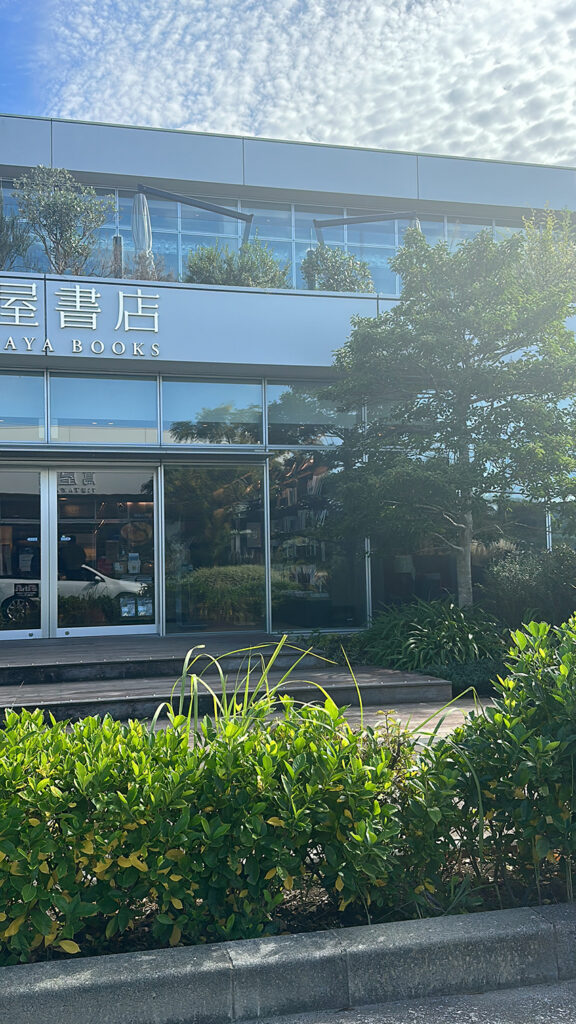
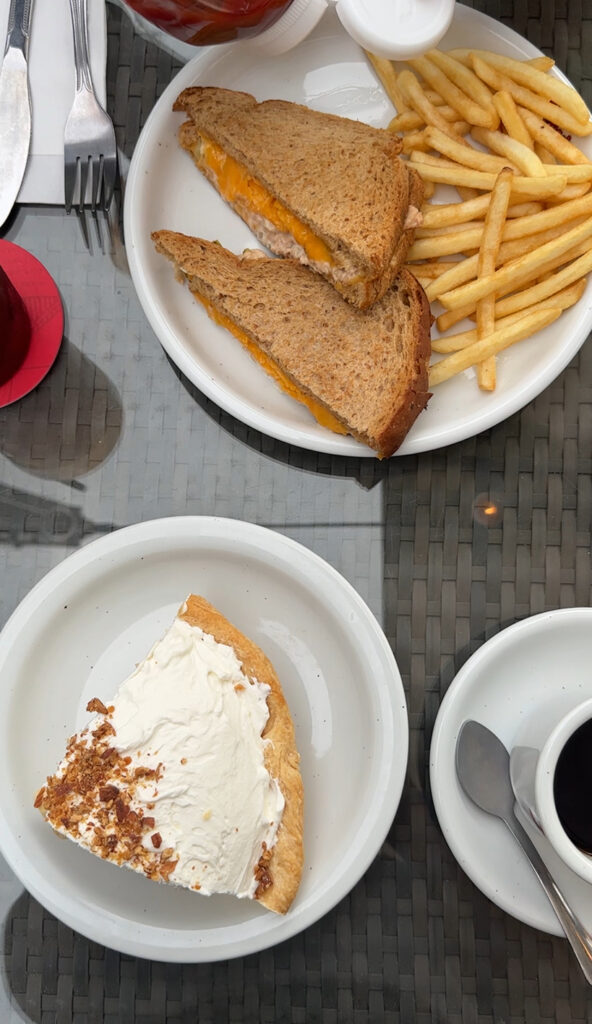
If you’d like to discover more about Shonan T-SITE, be sure to check out my previous blog post, “A Must-Visit! Shonan T-SITE: Stylish Shopping & American Sweets in Shonan”. It’s filled with lovely finds and delicious treats you won’t want to miss!
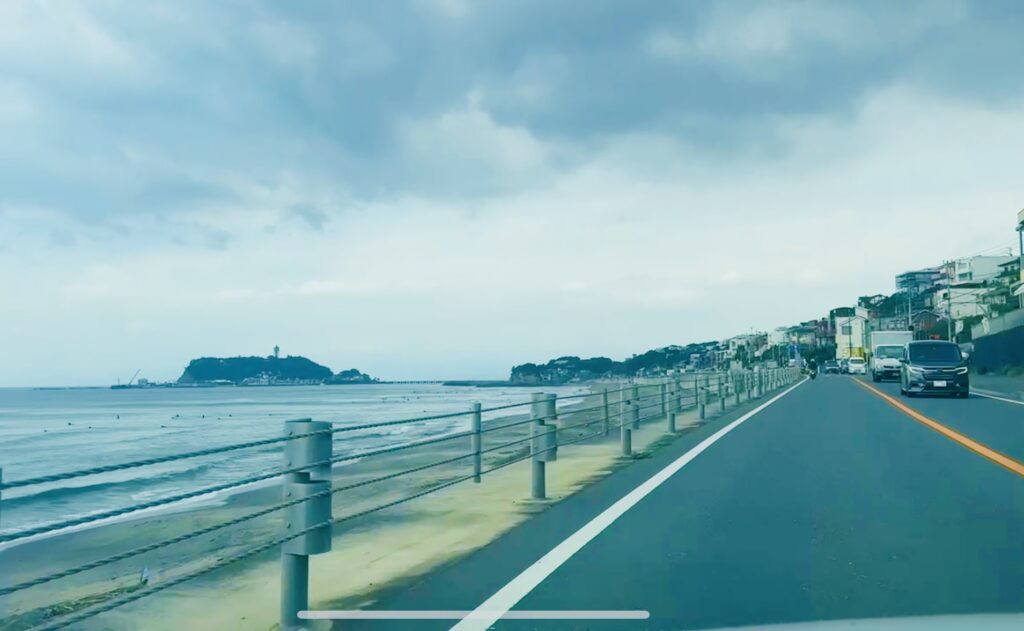
When you think of Shonan, this is probably the scenery that comes to mind.
Living Along the Enoden Line: The Dreamy Coastal Stretch from Enoshima to Inamuragasaki
Driving along Route 134 through this part of Shonan is enough to make your heart skip a beat. The beautiful coastline stretches out before you, with scenery that feels like something straight out of a movie. This is the area served by the charming Enoshima Electric Railway, affectionately known as the “Enoden,” a single-track railway that winds through the coastal neighborhoods. Further inland, there are also areas served by the Shonan Monorail.
Homes right by the ocean in this area are extremely expensive, and desirable properties often sell before they even reach the open market.
More affordable properties sometimes come with certain compromises, such as being built on land that was once marshland or being tucked away at the far end of a large residential development up a steep hill. We once spent about six months searching for a home in this area, looking at both rental properties and homes for sale. Unfortunately, we never found one that quite suited our needs.
The Enoden itself is undeniably charming, but for families who need to commute to work every day, it may not always be the most reliable option. With its small number of carriages and enormous popularity among tourists, there are times when you simply can’t board the train you’ve been waiting for because it’s already full. You may occasionally find yourself needing a family member to drive you or having to take a taxi instead.
Everyday shopping can also be a little inconvenient without a car. Apart from the residential neighborhoods of Nishi-Kamakura and Shichirigahama, you’ll probably find yourself driving to supermarkets and other shops for your daily essentials.
But there is one truly wonderful advantage to living here. Thanks to the area’s many hillsides, there are plenty of homes with beautiful ocean views, even if they’re not particularly close to the beach.
Personally, I think this part of Shonan is especially suited to those who no longer need to commute every day, or passionate surfers who dream of embracing a deeper, more authentic Shonan lifestyle. For the right person, the beauty of living here may be well worth the little inconveniences.
Kamakura & Zushi: Easy Access to Central Tokyo in About an Hour, with No Transfers on the Shonan-Shinjuku Line
Kamakura and Zushi are two towns that regularly appear on Japan’s lists of the most desirable places to live. Both offer a wonderful combination of easy access to JR train stations and beautiful beaches nearby. They are lovely places to buy a home, put down roots, and enjoy a fulfilling coastal lifestyle for years to come.
Commuting to central Tokyo is also quite manageable. Zushi Station is especially convenient, as some trains begin their journeys here, making it possible to find a seat for the morning commute.
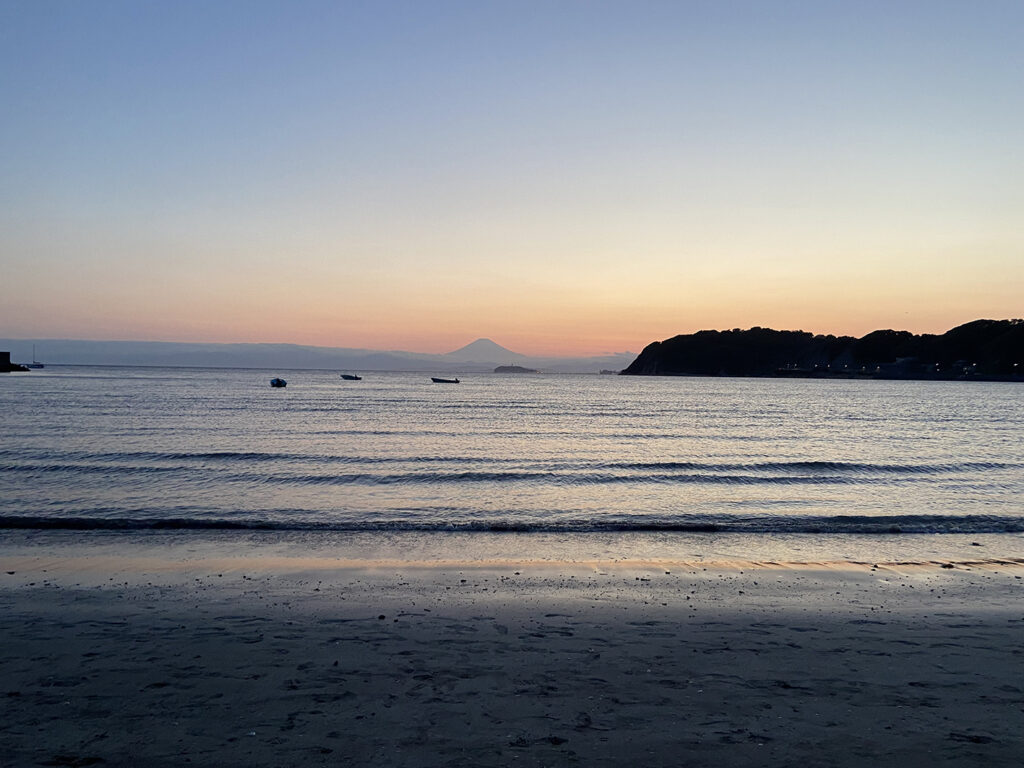
Along the coastline from Kamakura to Zushi, the waves are generally gentle, while the sea breezes can be quite strong. As you head farther toward the Miura Peninsula, windsurfing and sailing gradually take center stage instead of surfing. The area is blessed with calm, beautiful beaches and waters rich in fresh seafood.
Stand-up paddleboarding, or SUP, has also become increasingly popular, and many local families seem to have their own boards. And one more lovely thing about this area—there are so many dog-loving households! It’s a wonderful place to enjoy life by the sea with your four-legged family members.

For example, a popular beachfront condominium, 27 years old with a 1LDK layout (one bedroom, a living and dining area, and a kitchen), was listed for ¥42.8 million as of September 2025.
To learn more about Zushi’s two much-loved annual events, the Zushi Film Festival and the Zushi Fireworks Festival, be sure to check out my article, “Zushi Film Festival & Fireworks: How to Enjoy These Popular Events Without the Crowds”.
A Lifestyle of Freedom: Is It for Everyone?
From Hayama, One of Japan’s Most Desirable Places to Live, to the Miura Peninsula
I feel that living along the coast from Hayama toward the Miura Peninsula is best suited to those who can build their working lives close to home. Alternatively, it may work well for people who have someone to drive them to Zushi Station or who have the time and flexibility to enjoy getting around by bus. Despite these little inconveniences, the area remains highly desirable, thanks in part to its attractive property prices and rich cultural atmosphere. After all, Hayama is home to an Imperial Villa!
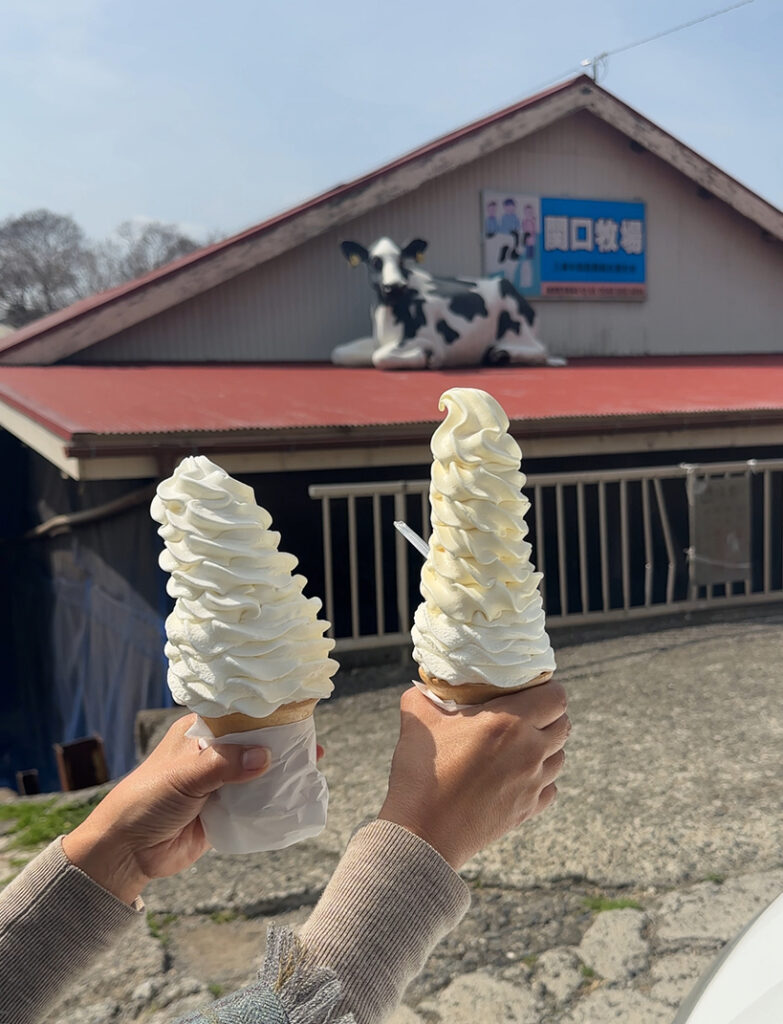
Continue along the coast toward Akiya and Sajima, and you’ll find yourself in the heart of the Miura Peninsula. Here, fishing boats, cruisers, and sailing yachts share the coastline, while vast fields of fresh Miura vegetables stretch across the countryside. The atmosphere feels wonderfully rural, a world away from the bustle of Tokyo.
In Misaki, there’s also an exciting new energy. Young creative professionals, including an editor running a publishing business, have made their homes here, alongside people in their 30s and 40s who have moved from the city in search of a different way of life.
There is even a relocation support initiative called the Miura Peninsula Relocation Concierge, designed to help people considering a move to the area.
If you can work entirely online, moving to the Miura Peninsula could be a lovely way to begin a new chapter in life. However, I would be a little cautious about opening a new café or shop here. Unless you have a carefully planned business model with a solid path to profitability—or are happy to run it more as a personal passion project—I think making a sustainable living from a small local business could be quite challenging.

This has been a little introduction to the different neighborhoods and lifestyles of Shonan, seen through the eyes of someone who has lived here for many years. Of course, these are simply my own personal impressions, and other residents may have completely different experiences or say, “That’s not quite how I see it!”
If you’re thinking about moving to Shonan and would like to learn more, I truly believe the best thing to do is visit the area yourself and chat with the people who live there.
Many locals genuinely love their hometowns, and if you tell them that you dream of living in Shonan someday, you may be surprised by how warmly they respond and how much helpful information they’re happy to share.
And who knows? You might just find the perfect place to call home.
If the opportunity comes your way, I hope you’ll be able to begin your own wonderful chapter of life in Shonan.
